

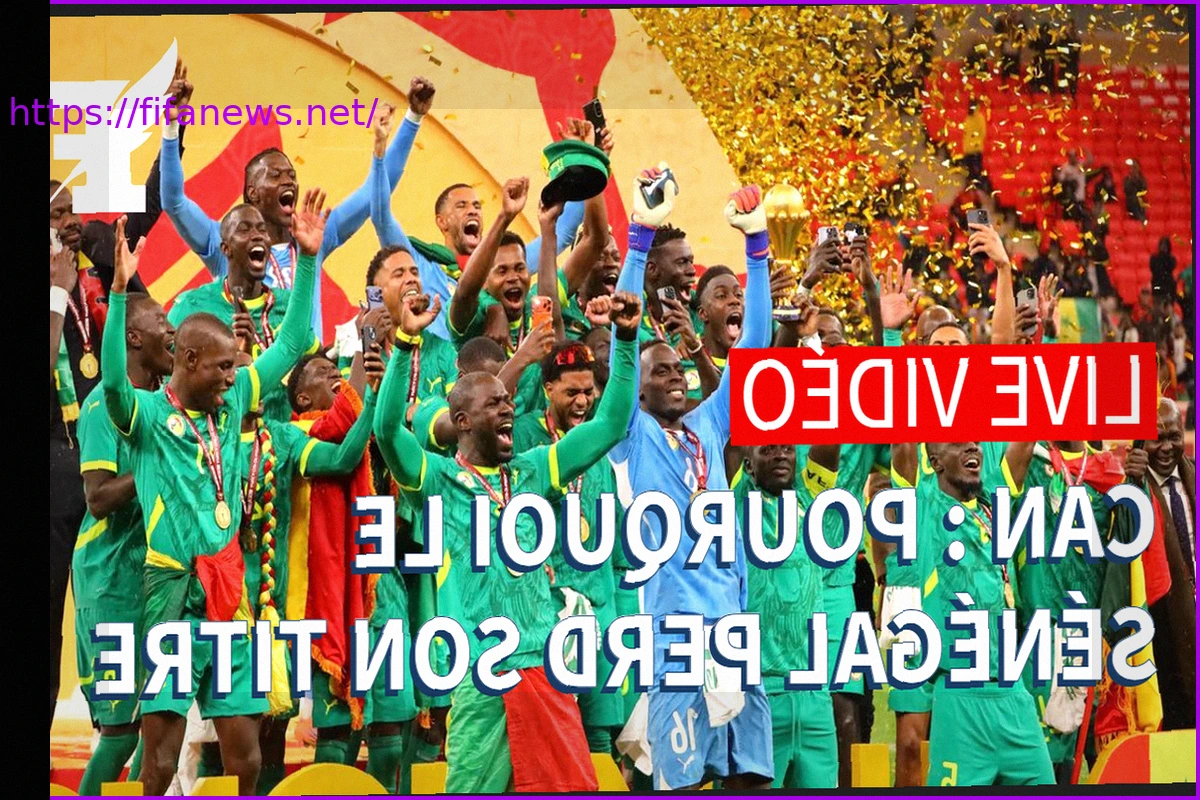
Two months following the conclusion of the Africa Cup of Nations (CAN), Morocco has been unexpectedly named the official winner, replacing Senegal. This administrative ruling, often referred to as a “green carpet” decision (referring to a verdict made off-field through legal or administrative channels), has sparked significant debate and confusion across the footballing world, prompting questions about the integrity of the tournament’s outcomes.
Initially, Senegal had been celebrated as the champion, having seemingly secured the title through on-field performance. However, a subsequent decision, made long after the final whistle, reversed this outcome, attributing the victory to Morocco. This article aims to shed light on the reasons and implications behind this highly unusual and widely discussed development.
Details surrounding the specific grounds for this “green carpet” decision remain a central point of contention. Explanations range from regulatory breaches, successful appeals, or protests lodged post-tournament, which ultimately led to the overturning of the original result. Understanding the precise sequence of events and the regulations invoked is crucial to grasping the full scope of this unprecedented shift in the CAN championship title.
The ramifications of such a decision are far-reaching, impacting not only the teams and federations involved but also the fans and the credibility of CAF (Confederation of African Football) governance. As the football community seeks clarity, this situation underscores the complexities of international sports law and the potential for off-field decisions to dramatically alter sporting history.