

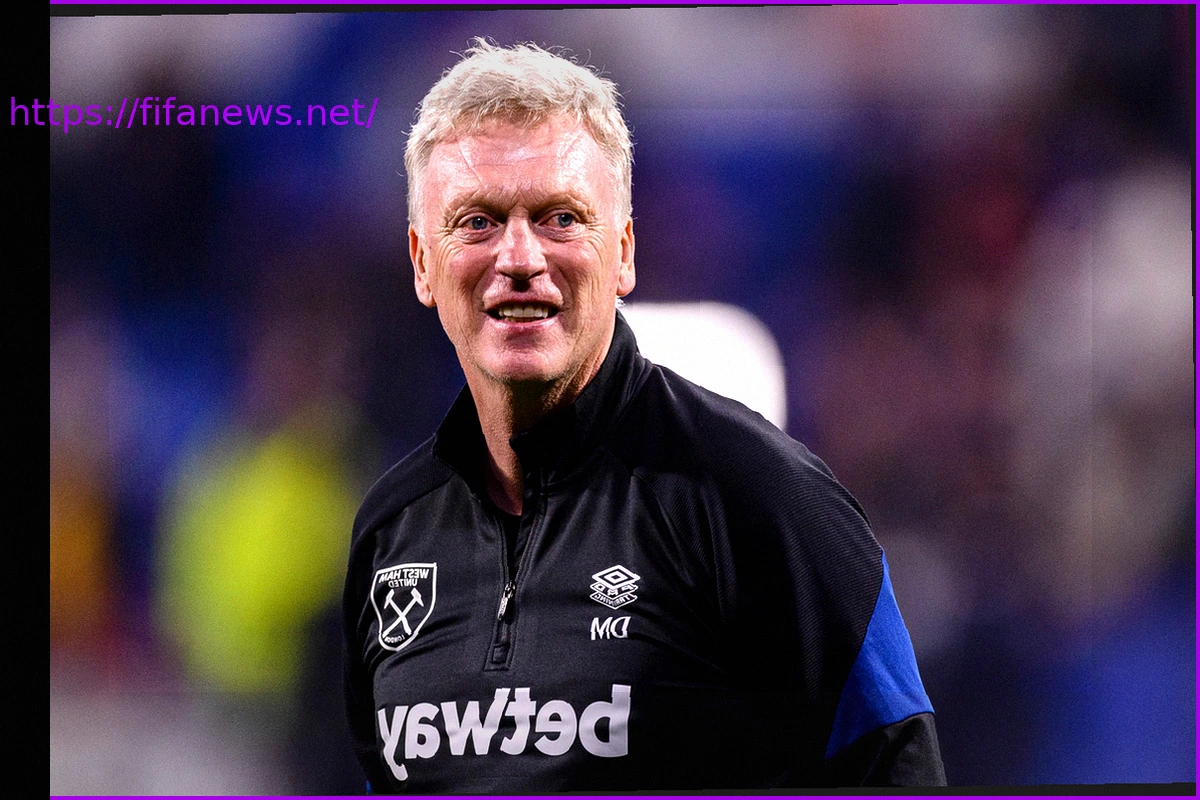
Since the Premier League’s inception in 1992, West Ham United has navigated a tumultuous journey marked by a series of managerial changes. This period has seen a mix of brilliant appointments, numerous unmemorable stints, and some truly regrettable tenures. With a dozen permanent managers at the helm, the club’s fortunes have varied wildly, from battling relegation to settling for mid-table finishes, interspersed with occasional flashes of exceptional success.
This analysis ranks them from the least effective to the most impactful.
12. Avram Grant
Avram Grant’s period at the club is widely regarded as an unmitigated disaster. Coming to West Ham after a prior unsuccessful spell, he presided over a season that culminated in the club’s relegation. Despite bringing in several new players, their contributions were negligible, and the squad famously crumbled towards the season’s end, securing a mere single point from their last eight fixtures. His leadership was marked by disarray and a lack of inspiration, showing little promise from the outset.
11. Julen Lopetegui
Julen Lopetegui’s brief managerial stint in 2024 generated considerable anticipation but ultimately failed to live up to expectations. Despite thorough planning and substantial financial backing in the transfer market, the desired outcomes never materialized on the pitch. His side struggled with a vulnerable defense, an impotent offense, and debatable tactical choices during games, resulting in only six victories from 20 league encounters. While questions could be raised about the board’s swift decision, his overall performance ultimately did not warrant a more extended stay.
10. Glenn Roeder
Glenn Roeder’s time at West Ham presents a complex picture. He is credited with fostering the development of future talents such as Jermain Defoe and Joe Cole and overseen a commendable initial season. However, his tenure is also remembered for the unfortunate relegation of one of the Premier League’s most gifted squads. His failure to capitalize on the early potential means his reign is often seen as a missed opportunity.
9. Billy Bonds
As a revered club legend, Billy Bonds successfully navigated West Ham’s return to the Premier League and ensured their survival in the 1993–94 season. Nevertheless, his influence as a manager largely concluded with this accomplishment. His period in charge was characterized by stability but remained predominantly unextraordinary.
8. Gianfranco Zola
Gianfranco Zola instilled a sense of optimism and a commitment to offensive football, especially during his inaugural season, which saw emerging talents thrive and the team secure a top-half league position. Yet, a disastrous subsequent season brought the club perilously close to relegation. Despite this decline, his engaging demeanor and dedication to nurturing young players warrant him a respectable mid-tier placement.
7. Manuel Pellegrini
Manuel Pellegrini’s arrival at West Ham initially suggested a new era of ambition, but this promise ultimately failed to materialize. An encouraging beginning soon deteriorated into erratic performances, ineffective player acquisitions, and persistent defensive weaknesses. Significant financial outlay on transfers did not yield the anticipated success, making his period another instance of untapped potential.
6. Alan Curbishley
Alan Curbishley is rightly praised for bringing much-needed stability to the club during a particularly volatile period. He ingeniously orchestrated an incredible escape from relegation in the 2006–07 season, subsequently guiding the team to a respectable mid-table standing. Though perhaps lacking in glamour, his time at the helm provided a level of consistency that West Ham has seldom experienced.
5. Alan Pardew
Alan Pardew’s tenure was characterized by drama and unpredictability. He successfully guided West Ham to promotion, an FA Cup final appearance, and a commendable top-half league finish. However, his management was often undermined by inconsistency, and he departed with the club in a significant decline the subsequent season. Flashes of exceptional performance were unfortunately counterbalanced by a lack of enduring stability.
4. Sam Allardyce
Sam Allardyce, despite never truly winning over the fanbase, undeniably fulfilled his primary objectives: securing promotion and establishing West Ham as a stable Premier League presence. His practical approach ensured the team remained competitive, even managing a brief push into the top four during the 2014–15 campaign. Although his brand of football might have lacked excitement, the effectiveness of his results was indisputable.
3. Slaven Bilic
Slaven Bilic’s legacy at West Ham is largely encapsulated by a single, remarkable season. During 2015–16, West Ham showcased some of their most thrilling football in recent memory, captivating supporters with an attacking style and ultimately finishing seventh in the league. While subsequent seasons saw a dip in performance, that memorable campaign firmly places him among the club’s top managers.
2. Harry Redknapp
Harry Redknapp was instrumental in moulding West Ham into a formidable Premier League competitor throughout the late 1990s. His most notable success was guiding the team to an impressive fifth-place finish in the 1998–99 season. Furthermore, he was pivotal in developing a ‘golden generation’ of players, featuring future stars like Rio Ferdinand and Frank Lampard. Despite his contentious departure, his lasting influence on the club was immense.
1. David Moyes
David Moyes occupies the top position, having delivered accomplishments that significantly surpassed initial expectations. Initially brought in to stave off relegation, he not only brought stability but also propelled the club to unprecedented levels of success. Under his guidance, West Ham achieved several top-seven league finishes, consistently participated in European competitions, and, most notably, secured the UEFA Europa Conference League – the club’s first major trophy in over forty years.
Moyes expertly blended a pragmatic approach with continuous advancement, a hallmark of his managerial career, crafting a resilient and competitive squad reminiscent of his most successful spells, such as at Everton. For many supporters, his tenure signifies the most prosperous and consistent period the club has enjoyed in the contemporary era.
Final Thoughts
West Ham United’s managerial narrative during the Premier League era mirrors the club’s own identity: characterized by unpredictability, sporadic brilliance, and frequent frustrations. While many managers left little enduring impact, a select group managed to create truly memorable moments for the fanbase.
From the nadir of relegation under Avram Grant to the historic European glory achieved under David Moyes, this compilation underscores the remarkably diverse and dramatic journey the club has undertaken.