

The act of wrapping a credit or debit card in aluminum foil, once perceived as an eccentricity or even paranoia, is now recognized as an increasingly relevant and widespread preventive practice. Its growing popularity is directly linked to the vital need to protect oneself from the threat of RFID (Radio-Frequency Identification) ‘skimming’.
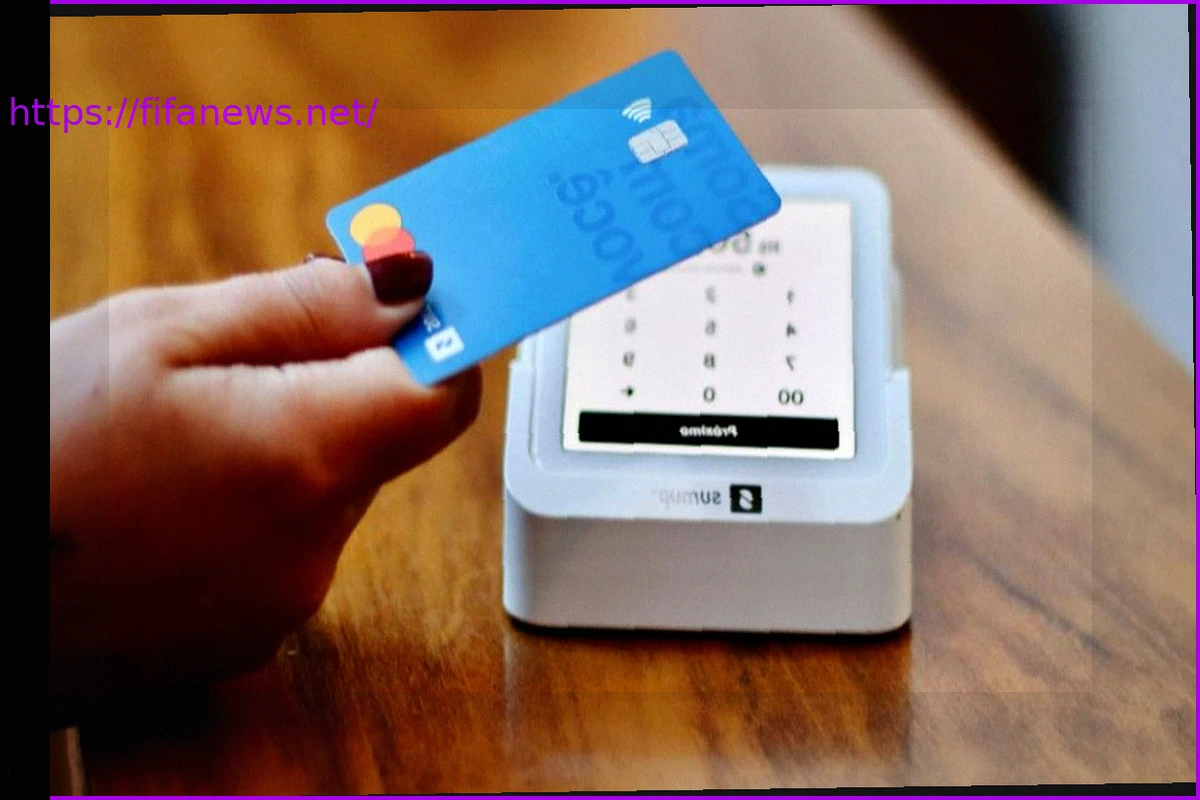
Modern credit cards are often equipped with contactless technology, enabling rapid payments by simply tapping the card against a terminal. While this convenience is undeniable in daily transactions, it simultaneously exposes card data to potential unwanted interception. Malicious individuals can utilize portable RFID readers to ‘skim’ your card information remotely, often without you even noticing, simply by passing close to you in a crowd.
This is precisely where aluminum foil steps in. By creating a sort of ‘Faraday cage’ around your card, the aluminum sheet is capable of blocking radio signals. This effectively prevents unauthorized RFID readers from accessing your sensitive financial data. This simple, inexpensive, and ingenious trick acts as a formidable protective shield against digital theft.
So, when is the optimal time to adopt this precaution? It is particularly advisable to employ this method when navigating crowded environments such as public transport, train stations, airports, large-scale events, or bustling shopping centers, where the likelihood of being targeted by skimming attempts is significantly higher. Even if you already use a wallet, wrapping your most important cards can add an invaluable extra layer of security.
It’s important to note that while aluminum foil offers an effective and economical solution, it is not the sole method available. The market also offers wallets and card sleeves specifically designed with anti-RFID materials for long-term protection. However, aluminum foil remains an accessible and immediately available alternative for anyone wishing to proactively safeguard their financial information from unauthorized access. What was once seen as an eccentric gesture has evolved into a common-sense practice for modern data security.