

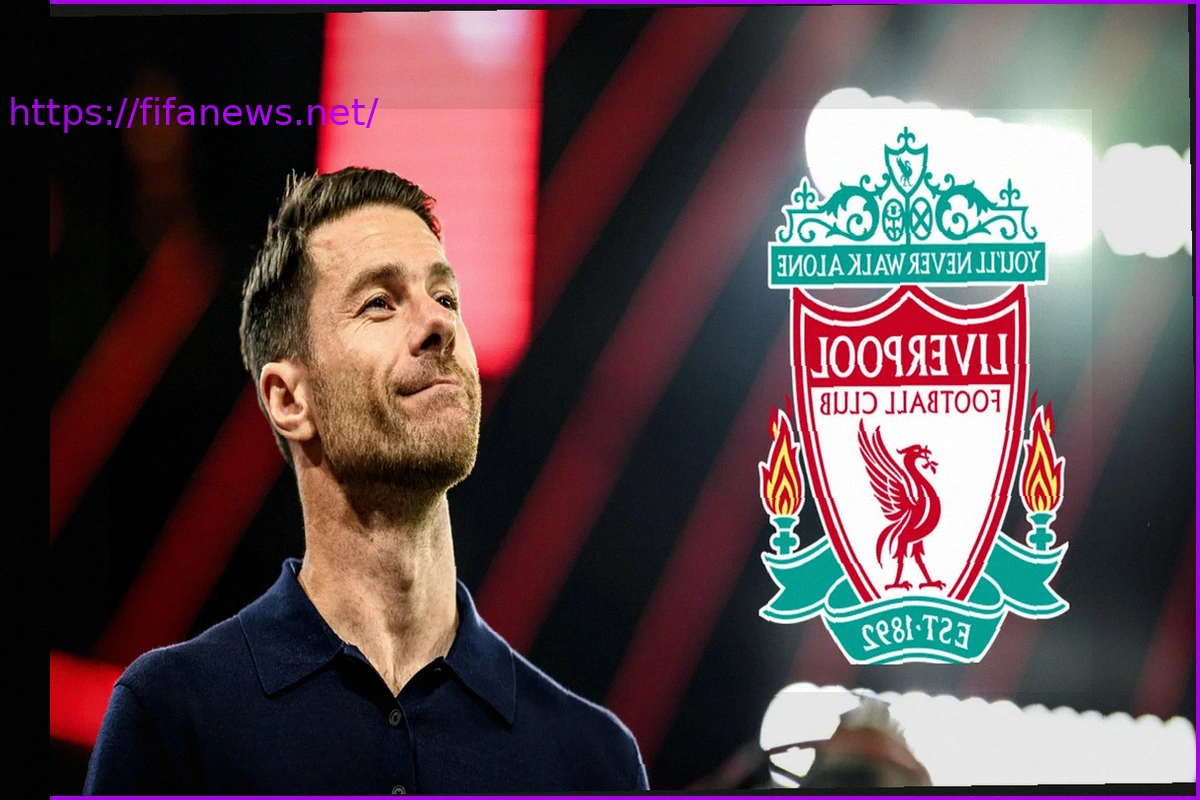
Among modern football’s elite, Xabi Alonso stands out for the profound and graceful mark he left on Liverpool Football Club. His tenure at Anfield, characterized by intelligent play, unwavering composure, and an exceptional passing repertoire, created a bond that endures well beyond his playing career on Merseyside. The past few years have seen a surge in rumors about his potential return, now in a managerial capacity, fueled by his burgeoning reputation as one of Europe’s most promising tactical minds. This article seeks to untangle the facts from the widespread speculation, and understand why such a prospect excites the Liverpool faithful so much.
A Legendary Liverpool Career Forged by Vision and Pivotal Moments
In 2004, Rafael Benítez brought Alonso to Liverpool from Real Sociedad. His arrival immediately signaled a distinct shift in the Premier League landscape. At a time when English football often emphasized raw physicality and blistering pace, Alonso flourished by prioritizing unparalleled vision and masterful control of the game.
His definitive moment arrived during the 2005 UEFA Champions League Final. In a match frequently hailed as one of football’s all-time classics, Alonso famously netted the equalizer, scoring from the rebound of his own saved penalty, thereby completing Liverpool’s incredible recovery from a 3-0 deficit against AC Milan. This unforgettable goal irrevocably etched his name into the club’s illustrious history.
Across his five seasons at Anfield, Alonso evolved into the strategic linchpin of Liverpool’s midfield. His indispensable qualities included an innate ability to control the game’s pace, execute precise long-range passes to shift play, and perform flawlessly under immense pressure. Even following his 2009 transfer to Real Madrid, his impact persisted, subtly shaping the appreciation Liverpool supporters held for technically adept midfielders.
An Illustrious Playing Career That Solidified His Standing
Alonso’s achievements extended far beyond his time at Liverpool. He became a vital component of the Real Madrid side that secured both La Liga and Champions League titles, subsequently concluding his distinguished playing journey at Bayern Munich, where he played under visionary coaches such as Pep Guardiola.
On the international stage, he was a key member of arguably one of history’s finest national squads. Playing for the Spanish national team, Alonso lifted the 2010 FIFA World Cup and triumphed in two European Championships (in 2008 and 2012). These monumental successes transformed him from a revered Liverpool figure into a universally recognized football icon.
Such extensive experience—spanning diverse leagues, tactical systems, and working under world-class managers—would profoundly influence his future coaching methodology.
The Ascendancy of Xabi Alonso as a Manager
Upon retiring from playing, Alonso transitioned into coaching, initially guiding youth squads at Real Madrid before assuming a senior managerial role at Bayer Leverkusen. It was at Leverkusen that his reputation as a formidable coach truly blossomed and gained widespread recognition.
During his tenure at Leverkusen, Alonso rapidly instilled a distinct tactical philosophy: one characterized by structure, strategic intelligence, and adaptability. His teams exhibited exemplary positional discipline, dynamic attacking fluidity, and a serene command of possession, mirroring his own playing attributes. Under his astute guidance, Leverkusen transformed into one of the most thrilling and potent teams in European football.
Significantly, his triumphs are not merely built on media buzz. Tangible results, consistently strong performances, and impressive player development have consistently reinforced the widespread conviction that Alonso is poised to reach the pinnacle of football management.
The Liverpool Link: Understanding Its Inherent Logic
Considering his profound history with Liverpool, the continuous speculation about Alonso’s return to Anfield is entirely unsurprising. The emotional bond is indisputable; he continues to be an adored figure among the fanbase, possessing a deep intrinsic understanding of the club’s ethos.
From a purely footballing standpoint, this connection is equally logical. Liverpool has recently navigated a transitional phase after the immensely successful era led by Jürgen Klopp. Any prospective successor would necessitate not only acute tactical intelligence but also the crucial capacity to align with the club’s distinctive identity and ambitious expectations.
Alonso seems to perfectly fit many of these requirements. His composed leadership, sharp tactical mind, and experience managing at top-tier clubs resonate strongly with the qualities Liverpool traditionally seeks in its head coaches. Furthermore, his preferred style of play—emphasizing control, strategic pressing, and intelligent positional movement—would represent a natural evolution rather than a drastic divergence from the foundational principles established under Klopp.
Distinguishing Between Confirmed Information and Rumors
While the notion of Xabi Alonso potentially returning to Liverpool is undeniably captivating, it’s crucial to differentiate clearly between verified facts and the pervasive nature of ongoing rumors.
Currently, Alonso has firmly established his managerial career at Bayer Leverkusen, attracting significant interest from numerous elite European clubs. Nevertheless, no official transfer to Liverpool has been substantiated. The prevailing rumors are primarily fueled by his impressive achievements in Germany and his historical affiliation with the Reds, rather than any definitive contractual arrangements.
Liverpool, consistent with other top-tier clubs, employs meticulous and frequently confidential recruitment procedures for managerial appointments. Although former players are occasionally considered, final decisions are invariably driven by long-term strategic objectives rather than purely sentimental considerations.
The Deep Emotional Resonance of a Potential Comeback
The world of football thrives on compelling narratives, and few storylines are more enchanting than that of a revered former player returning to lead his old club. For supporters of Liverpool, Alonso symbolizes a golden epoch—an era marked by legendary European encounters and a brand of football defined by technical brilliance.
The prospect of his return as manager not only evokes a powerful sense of nostalgia but also ignites optimism for the club’s future. It implies a seamless continuity, a symbolic passing of the torch from one era to the next, entrusted to someone who truly embodies the spirit and significance of the club.
Conclusion: A Chapter Yet to Be Penned
Xabi Alonso’s profound connection with Liverpool is already indelibly woven into the annals of football history. As an athlete, he graced Anfield with moments that will forever be cherished. As a burgeoning manager, he is carving out a trajectory that might, one day, lead him back to the hallowed grounds of Anfield—however, that particular narrative remains unwritten.
At present, the relationship between Alonso and Liverpool is characterized by mutual admiration and potential, rather than absolute certainty. Regardless of whether Alonso ultimately makes a return, his esteemed legacy at Liverpool is beyond dispute—and his impressive ascent in the world of management guarantees that his significant footballing journey is nowhere near its conclusion.