

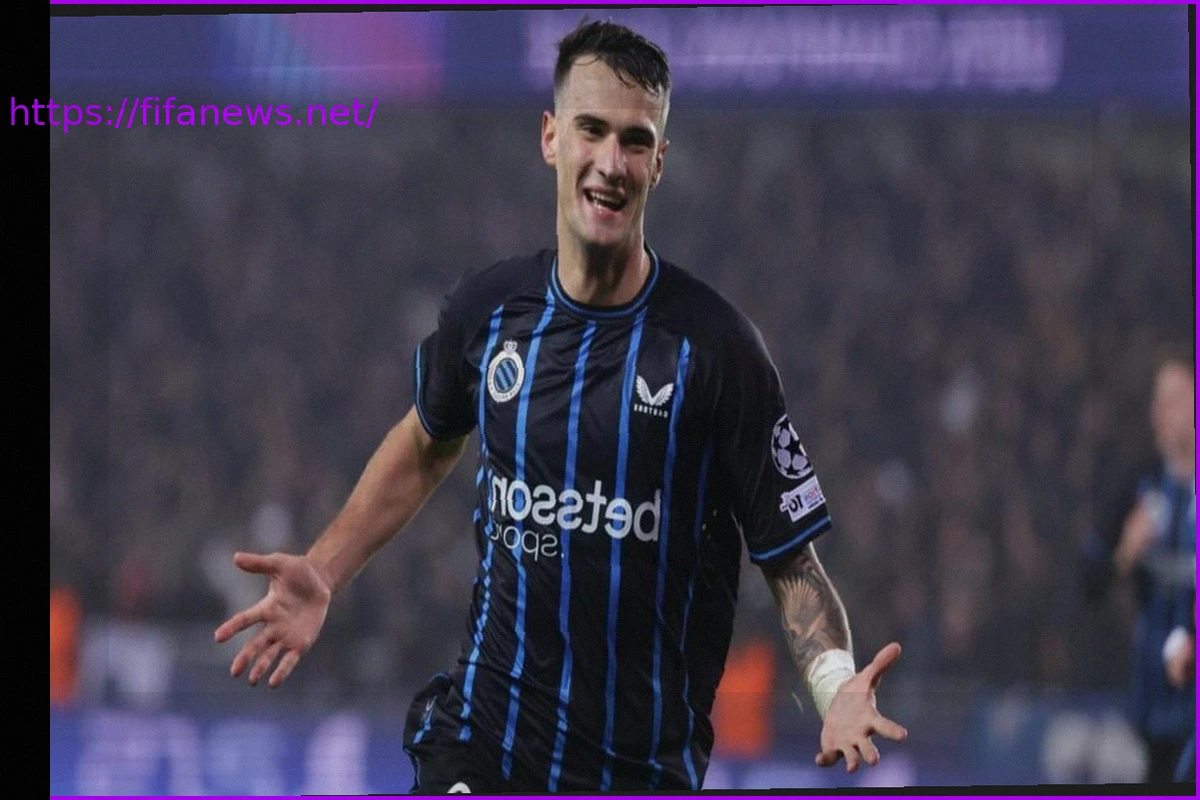
The potential transfer of the promising young player Aleksandar Stanković continues to be a hot topic among Inter supporters, sparking a debate that clearly divides the fanbase. This situation highlights the clash between rational, strategic considerations and the emotional attachment fans often have to their club’s rising stars.
On one hand, there are those who approach the matter with a more pragmatic outlook. They might point to the club’s financial needs, the player’s current development stage, or the potential for him to gain valuable experience elsewhere. This perspective often emphasizes the long-term health and success of the club, suggesting that a strategic sale, even of a highly-rated player, could ultimately benefit Inter.
Conversely, a significant portion of the Inter faithful expresses deep-seated emotional resistance to the idea of Stanković’s departure. As a “figlio d’arte” (son of a club legend), he carries a special legacy and represents a tangible link to the club’s glorious past. Fans often feel a strong sense of ownership and pride in nurturing their own talent, and the thought of seeing him succeed in another jersey can be emotionally taxing. For these supporters, sentiment often outweighs pure logic.
The discussion surrounding Aleksandar Stanković is a microcosm of the complex relationship between football clubs and their supporters. It forces fans to weigh the tangible benefits of player sales against the intangible value of academy products and the emotional resonance they bring to the fanbase. The ongoing debate underscores the passionate, yet often conflicting, viewpoints that make football fandom so compelling.
English Translation:
The potential transfer of the promising young player Aleksandar Stanković continues to be a hot topic among Inter supporters, sparking a debate that clearly divides the fanbase. This situation highlights the clash between rational, strategic considerations and the emotional attachment fans often have to their club’s rising stars.
On one hand, there are those who approach the matter with a more pragmatic outlook. They might point to the club’s financial needs, the player’s current development stage, or the potential for him to gain valuable experience elsewhere. This perspective often emphasizes the long-term health and success of the club, suggesting that a strategic sale, even of a highly-rated player, could ultimately benefit Inter.
Conversely, a significant portion of the Inter faithful expresses deep-seated emotional resistance to the idea of Stanković’s departure. As a “figlio d’arte” (son of a club legend), he carries a special legacy and represents a tangible link to the club’s glorious past. Fans often feel a strong sense of ownership and pride in nurturing their own talent, and the thought of seeing him succeed in another jersey can be emotionally taxing. For these supporters, sentiment often outweighs pure logic.
The discussion surrounding Aleksandar Stanković is a microcosm of the complex relationship between football clubs and their supporters. It forces fans to weigh the tangible benefits of player sales against the intangible value of academy products and the emotional resonance they bring to the fanbase. The ongoing debate underscores the passionate, yet often conflicting, viewpoints that make football fandom so compelling.