Artemis II Astronauts: Aboard the Orion Spacecraft's Advanced Toilet System
The Artemis II mission marks a significant leap forward in space exploration, not only in its ambitious journey to the Moon but also in the fundamental aspects of living in space. A key, often overlooked, challenge for astronauts is waste management. The Orion spacecraft, designed for these deep-space missions, features an advanced toilet system that represents a considerable evolution from the rudimentary "bags" used during the Apollo era.
This new space toilet, integrated into the Orion module, is engineered to function effectively in the microgravity environment. Unlike terrestrial toilets that rely on gravity to direct waste, these systems utilize suction and airflow to guide both solid and liquid waste. This innovative approach is crucial for maintaining hygiene and preventing contamination within the confined quarters of a spacecraft during extended missions.
While the technology is sophisticated and essential for the success of future lunar and potentially Martian endeavors, it has not been without its challenges. Early testing and development phases of the Orion toilet system encountered some operational hurdles. However, these issues were addressed and resolved, highlighting the rigorous testing and iterative design process inherent in developing reliable spaceflight hardware. The ability to manage waste effectively and with minimal fuss is a critical, albeit unglamorous, component of ensuring astronaut well-being and mission readiness.
From Apollo's Bags to Orion's Advanced Toilet
The contrast between the waste collection methods of the Apollo missions and the Artemis II mission is stark. Apollo astronauts relied on simple collection bags for solid waste, which were then secured and stored. Liquid waste was typically expelled overboard or collected in similar bags. This method, while functional for short durations, was cumbersome and presented significant challenges for hygiene and storage over longer periods.
The Orion toilet, on the other hand, is a much more integrated and sophisticated system. It aims to offer a more familiar and comfortable experience for astronauts, akin to using a toilet on Earth, while still operating under the unique conditions of space. This advancement is not merely about convenience; it directly impacts the psychological well-being of the crew and the overall efficiency of the mission. The success of Artemis II and subsequent missions hinges on the reliability of such life-support systems.
The evolution of the space toilet underscores NASA's commitment to making long-duration space travel more sustainable and habitable. As humans venture further into the solar system, the technologies that support basic bodily functions will become increasingly critical, and the Orion toilet system is a testament to this ongoing innovation.
English Translation:
How Artemis II Astronauts Go to the Bathroom
From Apollo bags to the Orion toilet: Artemis II introduces an advanced space toilet. Not without its challenges, but fundamental for future missions.
The Artemis II mission marks a significant leap forward in space exploration, not only in its ambitious journey to the Moon but also in the fundamental aspects of living in space. A key, often overlooked, challenge for astronauts is waste management. The Orion spacecraft, designed for these deep-space missions, features an advanced toilet system that represents a considerable evolution from the rudimentary "bags" used during the Apollo era.
This new space toilet, integrated into the Orion module, is engineered to function effectively in the microgravity environment. Unlike terrestrial toilets that rely on gravity to direct waste, these systems utilize suction and airflow to guide both solid and liquid waste. This innovative approach is crucial for maintaining hygiene and preventing contamination within the confined quarters of a spacecraft during extended missions.
While the technology is sophisticated and essential for the success of future lunar and potentially Martian endeavors, it has not been without its challenges. Early testing and development phases of the Orion toilet system encountered some operational hurdles. However, these issues were addressed and resolved, highlighting the rigorous testing and iterative design process inherent in developing reliable spaceflight hardware. The ability to manage waste effectively and with minimal fuss is a critical, albeit unglamorous, component of ensuring astronaut well-being and mission readiness.
From Apollo's Bags to Orion's Advanced Toilet
The contrast between the waste collection methods of the Apollo missions and the Artemis II mission is stark. Apollo astronauts relied on simple collection bags for solid waste, which were then secured and stored. Liquid waste was typically expelled overboard or collected in similar bags. This method, while functional for short durations, was cumbersome and presented significant challenges for hygiene and storage over longer periods.
The Orion toilet, on the other hand, is a much more integrated and sophisticated system. It aims to offer a more familiar and comfortable experience for astronauts, akin to using a toilet on Earth, while still operating under the unique conditions of space. This advancement is not merely about convenience; it directly impacts the psychological well-being of the crew and the overall efficiency of the mission. The success of Artemis II and subsequent missions hinges on the reliability of such life-support systems.
The evolution of the space toilet underscores NASA's commitment to making long-duration space travel more sustainable and habitable. As humans venture further into the solar system, the technologies that support basic bodily functions will become increasingly critical, and the Orion toilet system is a testament to this ongoing innovation.
Fresh materials — Serie A
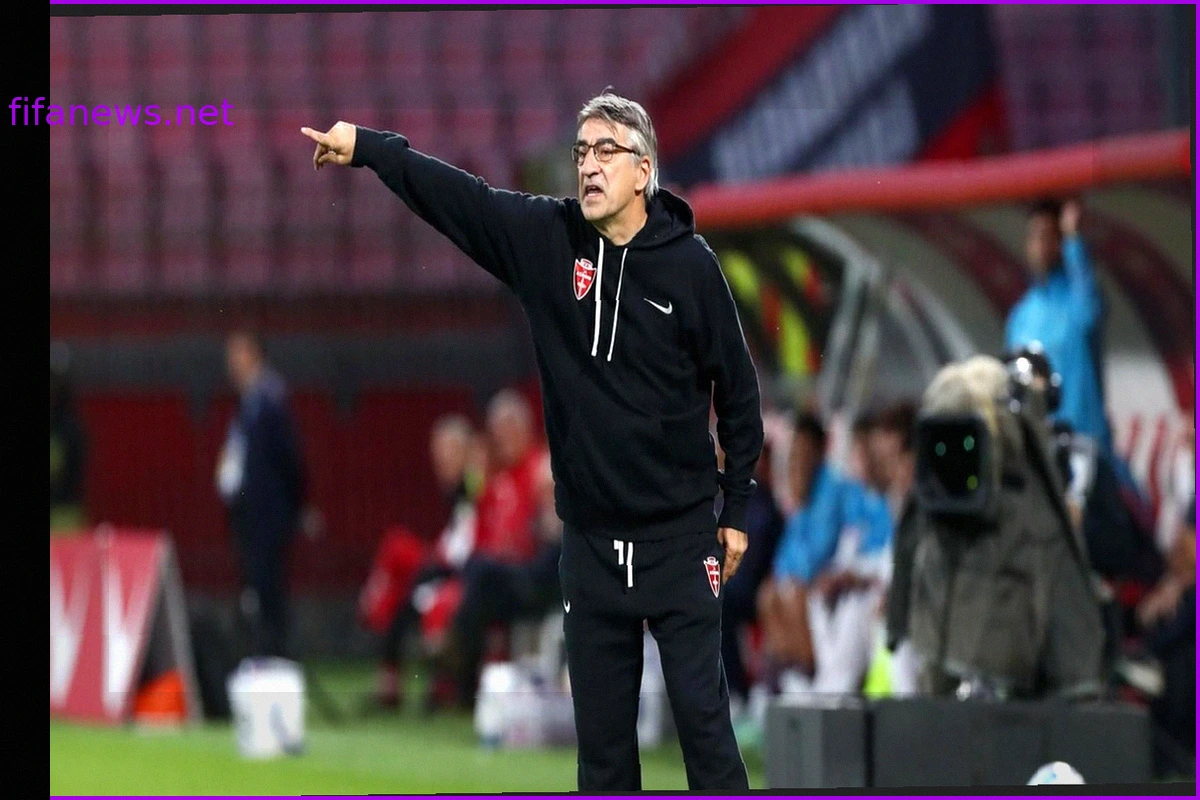
Torino vs. Monza: Analyzing Key Players and Odds
Torino secured wins against Udinese and Parma by capitalizing on their opponents' struggles, with Parma notably making significant defensive errors. Now, on Friday, Ignazio Abate's squad faces a resurgent Monza, who arrive in Piedmont on a high after scoring four goals against Cagliari. This pr

Marco Panichi Leaves Holger Rune, Discusses Sinner's Injury
Marco Panichi has officially ended his collaboration as Holger Rune's fitness coach. Previously part of Jannik Sinner's staff, the Roman trainer revealed this in an interview with Gonzo Tennis. He expressed his desire to return to full-time work on the ATP Tour. Currently serving as a
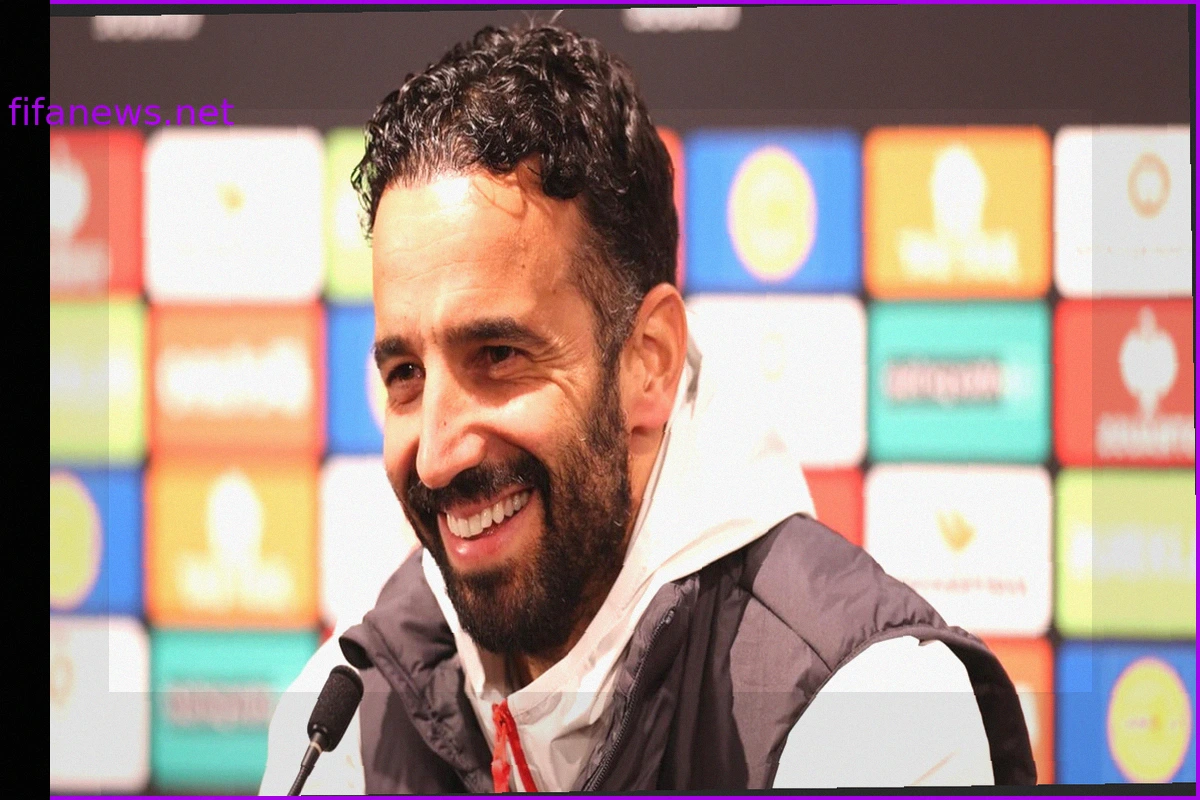
Ruben Amorim clarifies Gonçalo Ramos's situation: "Just a precautionary stop"
Ruben Amorim, Milan's coach, has reassured fans regarding the condition of Portuguese forward Gonçalo Ramos. Ramos was excluded from the squad for the Europa League match against Bournemouth, which Amorim described as a "precautionary stop." The former Paris Saint-Germain player will be restin

Como Shocks Manchester United with a 4-1 Victory: Nico Paz Masterclass, Douvikas and Ramon Score
Como experienced a night to remember, overwhelming Manchester United 4-1 at the Sinigaglia stadium. Cesc Fabregas's team dominated the match from start to finish. Nico Paz led the charge, opening the scoring after just two minutes with a beautiful curling left-footed shot and

Cristiano Ronaldo Reveals the Full Story and Opens Up About a Potential Return with Portugal: "Here's What Happened with Jorge Jesus"
"As promised, I decided to tell, in my own words and directly, the circumstances that marked the final phase of the selection process." This is how Cristiano Ronaldo's lengthy letter begins, addressing the Jorge Jesus situation. The controversy erupted when CR7 remained on the bench f

Mancini's Intensity: From On-Field Directives to Joyful Victory
Italy secured a 4-1 victory over Turkey in the Nations League, climbing to second place in Group 1 of League A after France's win against Belgium. Coach Roberto Mancini was fully immersed in the match, directing his team with evident passion. He called back defenders Pio Esposito and B